Numbing Cream for Waxing: Does It Work and How to Use It Safely
Interested in waxing but worried about discomfort? You’re definitely not alone! Depending on your pain tolerance, the treatment area, your hair length, and the type of wax used, the hair removal process can be uncomfortable. Fortunately, numbing cream is great for waxing and can make a huge difference in your experience. This guide will help you learn everything you need to know about numbing cream for waxing.
How Numbing Cream Works
First things first, how exactly does a topical lotion work to numb the skin and buffer pain signals to the brain? We’ve got you covered.
Lidocaine and Pain Signals
Lidocaine is a local anesthetic that blocks sodium channels in nerve cells. In other words, it temporarily prevents nerves from generating and transmitting pain signals, which can drastically reduce sensation in the area. While the skin is still undergoing the same physical process, the brain doesn’t get the message that it should hurt.
Keep in mind that it may not completely eliminate pain, and you will likely still feel some pressure or heat, even though they’re greatly diminished.
Which Areas Benefit Most
Skin sensitivity varies throughout the body, and most folks can tolerate waxing certain treatment areas more than others. Here’s a breakdown of the best places to apply lidocaine numbing cream, and which ones should be okay without it:
Sensitive Zones
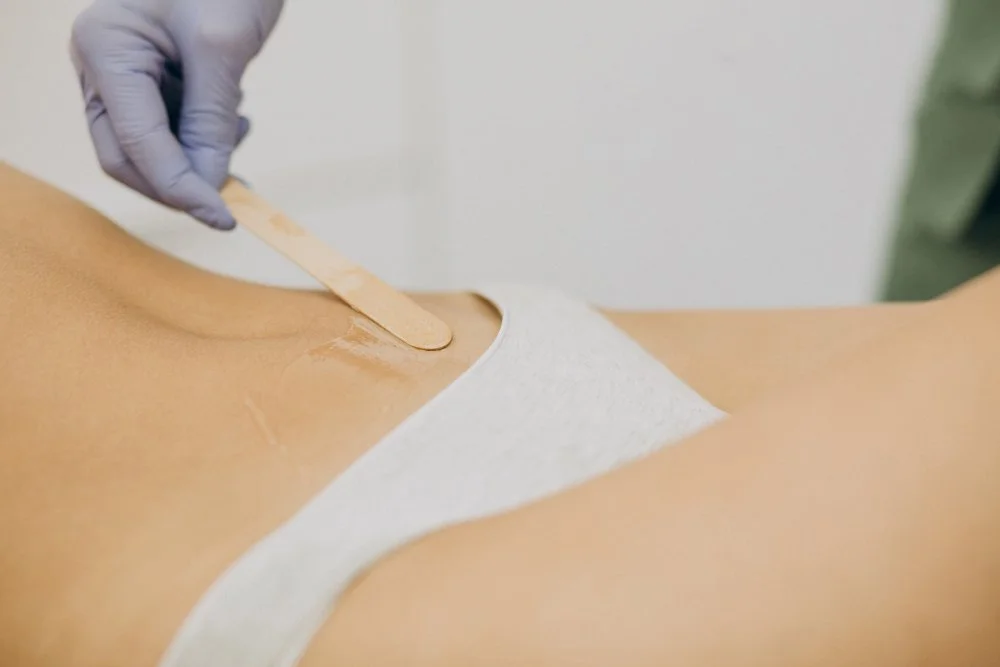
Pain tolerance tends to be lower in areas with thick, coarse hairs that are firmly anchored in the follicles. Waxing is also more painful in spots with lots of nerve endings. Consider using numbing cream when waxing the following zones:
Underarms
Upper lip
Of course, just because some people find waxing the bikini area super painful, that doesn’t mean numbing cream is necessary for everyone. Additionally, needs may change over time. Even if you use it for your first few sessions, you may eventually acclimate to the sensation.
Areas That Usually Don't Need It
Larger treatment areas like the arms and legs are typically less sensitive than the spots listed above. Thanks to a broader surface area and thicker skin, waxing specialists can often use soft wax – which adheres to the skin, unlike gentle hard wax – and still not need to apply a numbing cream before treatment.
Again, your skin is unique, so there’s no shame in requesting a numbing agent when waxing these areas.
How to Apply Numbing Cream Before a Wax
Since every numbing cream is a little different, it’s important to read the instructions and follow your waxing provider’s guidelines before using it on your skin. Let’s explore the fundamentals to give you a better idea of the application process.
Use Caution with New Products
Perform a patch test 24 to 48 hours before your waxing session to ensure the cream won’t cause any adverse effects. You should also avoid using these products (or waxing at all) over broken or inflamed skin.
Timing and Application
Numbing cream doesn’t instantly silence nerve endings. It needs time to take effect, and it only lasts temporarily, so proper timing is essential.
Most lidocaine numbing creams should be applied to clean, dry skin roughly 20 to 45 minutes before your appointment time. However, you must follow the instructions on your chosen product.
The manufacturer’s directions will also include guidelines for the amount of product to use in particular areas. Keep in mind that more product or a longer absorption time won’t provide better results. In fact, it could wear off too quickly or lead to adverse effects.
Full Removal Is Essential
Before waxing, it’s crucial to completely remove all remaining numbing cream from the skin. After all, any oily, creamy, or occlusive residue will interfere with the wax’s ability to adhere to hair. Consequently, this can lead to breakage, patchy results, and an increased risk of irritation and ingrown hairs.
Does Numbing Cream Affect Wax Results?
It’s only natural to wonder how a topical numbing cream might impact your overall waxing results. Here’s the good news: when used correctly, it shouldn’t interfere with the hair removal process. In fact, it may improve your results if you’re prone to flinching and wiggling during treatment.
Why Hard Wax Already Helps
Hard wax grips the hair rather than the skin, which already makes it more comfortable than soft wax!
Soft wax is known for its exfoliating properties, but it can also be uncomfortable. On the other hand, hard wax adheres only to hair, leaving the skin largely untouched. That’s why it’s the go-to choice for intimate waxes and clients with sensitive skin.
Talk to Your Esthetician First
Waxing services can be personalized for every client, and your esthetician will be happy to make adjustments to ensure a comfortable experience. Be sure to tell your treatment specialist if you’re feeling anxious about pain during waxing. She can opt for hard wax and make other adjustments to your treatment to help you feel at ease.
It’s also important to inform her if you’ve already applied a numbing cream, so she has the complete picture before waxing your skin.
Enjoy a Comfortable Waxing Experience at The Wax Studio!
At The Wax Studio, we strive to provide the most comfortable hair removal services in Salem. Book a consultation with our team to get started today!